
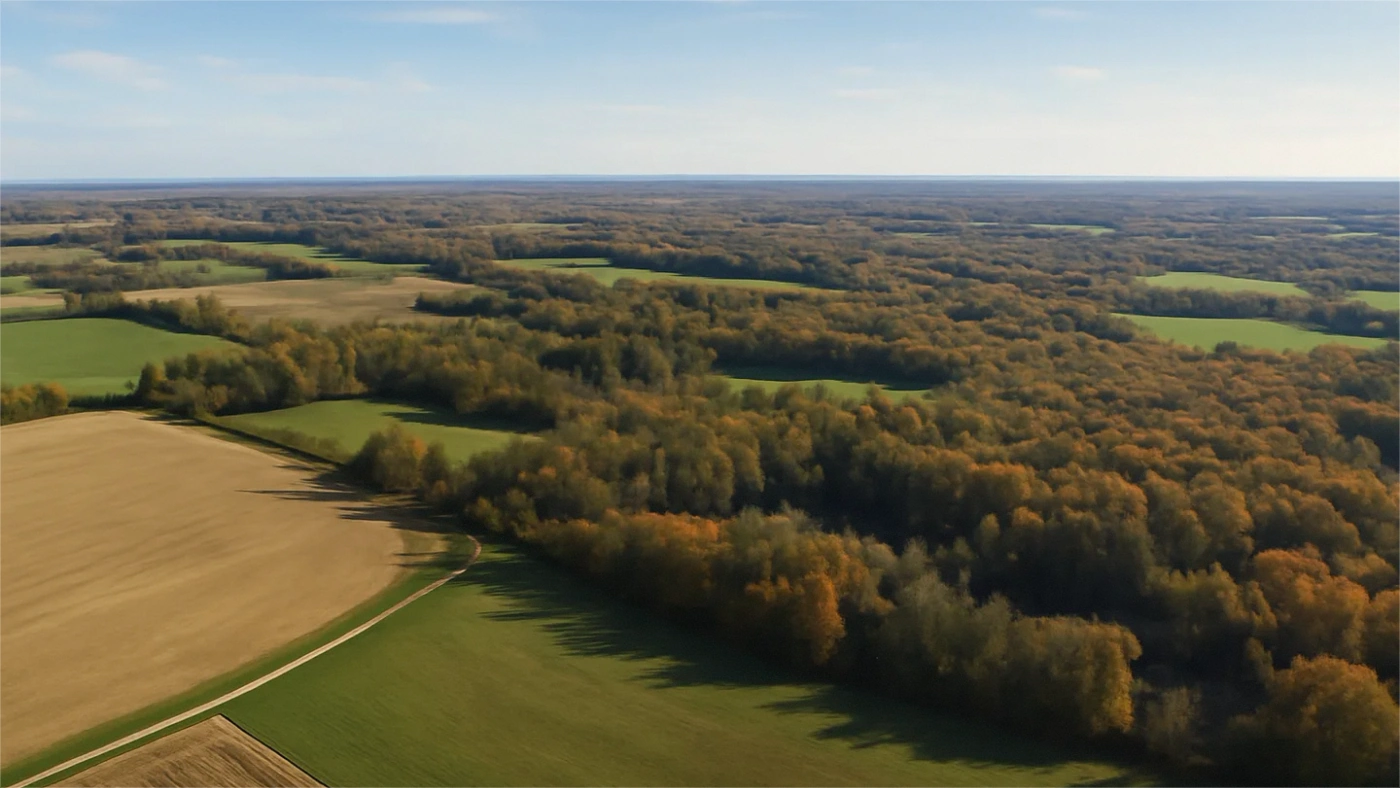
How to Sell Land Fast in Michigan
Start With the Parcel Facts
How to Sell Land Fast in Michigan starts with the same practical question for most owners: what is the cleanest way to turn a parcel into cash without losing months to uncertainty? Michigan land can be straightforward when the access, title, taxes, and pricing are clear, but many parcels need a more careful review before a seller chooses the right path.
A strong first step is to gather the APN, county, deed name, tax status, and any maps or photos you already have. Buyers and title companies can move faster when the ownership record, parcel boundaries, road access, and utility distance are easy to verify.
Michigan parcels vary widely. A lot near Detroit or Grand Rapids may be compared to nearby development activity, while rural acreage in counties such as Alpena, Marquette, Houghton, Emmet, Wexford, or Iosco may depend more on access, terrain, wetland notes, timber context, seasonal road maintenance, and demand for recreational or long-term hold property.
The direct offer route is useful when you want a written number and a simple closing plan. It is not the same as listing with an agent, and it may not produce the highest theoretical price, but it can reduce delay, showings, commissions, cleanup, and repeated negotiations.

Compare Your Selling Options
Before accepting any offer, compare the net amount, closing costs, timeline, proof of funds, title process, and what happens if a title issue appears. The best choice is the one that fits your property, your risk tolerance, and your timing.
For pricing for speed, start with documents rather than guesses. In a how to sell land fast situation, the deed, tax card, and any old maps usually answer more questions than a quick online estimate, especially when acreage or access is uncertain. Keep the note short, but include the source of the answer so a buyer can tell whether zoning and use came from a record, a photo, or owner memory.
Nearby demand is usually a practical question, not a sales slogan. Compare it with title company scheduling, then decide whether the parcel needs a title-company answer, a county-record lookup, or a buyer who is comfortable with extra due diligence. That detail also helps the seller spot weak offers that ignore title company scheduling until after the buyer controls the contract timeline.
Sellers sometimes focus only on the offer number, but document readiness can change the net result. A clean closing path with fewer delays may matter more than a higher price that depends on long inspections or financing approvals. For how to sell land fast, this creates a cleaner comparison between certainty today and a possible higher price later.
If closing logistics is unclear, write down what is known and what still needs proof. That habit helps a how to sell land fast conversation stay factual instead of turning into repeated calls, missing paperwork, and changing assumptions. If closing logistics remains unresolved, mark it as an open item instead of burying it inside a general property description.

Prepare for Title and Closing
A careful buyer should be willing to explain how pricing for speed affects the offer. If the answer is vague, ask whether the issue changes price, timing, closing costs, or the chance that the transaction falls apart before signing. The purpose is not to make pricing for speed complicated; it is to avoid discovering the same issue after terms are already negotiated.
County data is useful, but it is not always complete. For offer comparison, compare the public record with photos, owner notes, tax bills, and any prior survey or title file before choosing a selling path. A direct buyer can then separate normal due diligence from problems that genuinely change value, timing, or closing confidence.
Document readiness deserves attention early in the process. Owners dealing with how to sell land fast often save time when they collect names, dates, parcel numbers, and payoff details before asking for final written terms. This is especially useful when document readiness involves another signer, old paperwork, or a county office that may not respond immediately.
The best next step depends on whether deed history is a small clarification or a closing blocker. Simple questions can be handled during review; bigger ones may need a title company, county office, or signed owner authorization. Put any supporting file in one folder so the same deed history question does not restart every time a new person reviews the parcel.
When pricing for speed involves multiple people, set one point of contact if possible. That keeps the buyer, title company, and family members from working from different versions of the same land story. The more organized the seller is, the easier it is to judge whether a how to sell land fast offer is fair for the risk being accepted.
Sell Your Land Fast by Removing Closing Friction
If a faster land sale is your priority, speed usually depends on title readiness, pricing, and buyer certainty. A fast sale is easier when the APN, deed, tax balance, acreage, access notes, and owner signatures are ready before a land buyer prepares written terms.
Vacant land, raw land, undeveloped land, rural land, agricultural land, and recreational land can all sell land quickly, but each parcel has different risk. Road access, utilities, cleanup, zoning, and taxes can decide whether the land sale closes quickly or slows down during due diligence.
A seller who wants to sell land fast for cash should compare cash buyers, cash land buyers, and a land buying company with the traditional real estate agent path. The faster route is not always the highest price, but it can reduce listing delays and financing uncertainty.
Cash Offer, Real Estate Agent, and Fast Sale Timing
The fastest way to sell land is usually the one with a clear cash offer, realistic closing date, and buyer who can buy land for cash without a lender. Ask whether the offer for your land is firm, whether inspections can change price, and who coordinates the title company.
To sell your land quickly, prepare your land file instead of waiting for buyer questions. Photos, maps, tax records, deed history, and notes about types of land or land use help a buyer who specializes in land make a decision without repeated follow-up.
Some owners try land online, land by owner, or a public land for sale listing first. If that path does not produce actively looking for land buyers, a direct buyer may help you sell vacant land, sell land for cash, or sell faster with fewer moving parts.
Owners who need to sell land or want to sell their land faster should confirm the buyer specializes in land sales, can buy land for cash, and can create a fast sale without financing delays.
Fast cash only helps if the agreement is clear. Before signing, compare closing costs, proof of funds, title timeline, and whether the buyer still wants to buy land after reviewing access, taxes, and market demand.
Next Step
Use parcel access and title company scheduling to compare options side by side. Listing, direct sale, auction, or holding the land can each make sense, but only after the owner knows the likely timeline and net proceeds. If an answer about title company scheduling sounds too broad, ask for the exact record, cost, or closing step behind it.
Do not ignore small inconsistencies in title record. A misspelled owner name, old mailing address, unpaid bill, or vague road note can create delays if nobody checks it until the week of closing. That extra check can protect the seller from accepting a number that later changes because title record was never verified.
For how to sell land fast, as-is offer terms also affects how much control the seller keeps over timing. Some owners prefer speed and certainty; others are comfortable waiting for a retail buyer if the parcel is easy to market. It also gives the owner a better script if family members or advisors ask why as-is offer terms affected the decision.
Photos and maps can support the review, but they should not replace documents. Use them to clarify zoning and use, terrain, access points, and nearby development, then confirm anything important through records when possible. For remote owners, clear notes about zoning and use are often the difference between a same-week review and another round of unanswered questions.
If title company scheduling points to extra risk, ask how it will be handled in writing. A clear agreement should say what happens if title work, taxes, access, or inspection findings change the plan. A written offer should make the handling of title company scheduling easy to understand without requiring the seller to guess what happens next.
A how to sell land fast decision is easier when seller timeline is separated from emotion. List the facts, the unknowns, and the carrying costs so the offer can be compared against a realistic hold-or-sell choice. That is why a how to sell land fast plan should be measured by net proceeds, certainty, and stress level rather than headline price alone.
As-is offer terms may not require a perfect answer before the first conversation. It does require honesty about what is known, what is missing, and who can provide documents if the transaction moves forward. If the seller later chooses to list instead, organized closing logistics notes can still improve the listing package and buyer screening.
Before accepting terms, check whether remote paperwork affects closing costs or only buyer confidence. That distinction matters because some issues reduce price while others simply change the order of due diligence. When pricing for speed is clean, the owner can ask for a quicker closing; when it is not, the timeline should be realistic from the start.
Owners who organize title company scheduling alongside offer comparison usually get clearer responses from serious buyers. The goal is not to make the land perfect; it is to remove avoidable confusion from the decision. This keeps offer comparison from becoming a vague concern and turns it into a specific yes, no, or needs-review item.
In a how to sell land fast scenario, pressure is a warning sign. A seller should have enough information to compare the cash offer, estimated closing date, and any obligations before deciding what to sign. Owners considering how to sell land fast should also decide in advance what deadline, minimum net, or paperwork burden would make them walk away.
Deed history and as-is offer terms can also influence buyer type. A builder, investor, neighbor, timber buyer, or recreational buyer may value the same parcel differently because each one sees a different use case. Good buyers will respect that boundary and explain how as-is offer terms is being handled before asking for signatures.
Want a Direct Michigan Land Offer?
Send the APN and county for a no-obligation review. We will look at the parcel facts and explain the next step.